Chambers & business groups
Give members practical education and a place to explore the decisions they face alongside other business owners.

Workshops for chambers, small businesses & nonprofits
What could become possible if your people had more room to do what they do best? Our workshops help your community explore AI, ask better questions, and move forward with greater confidence.
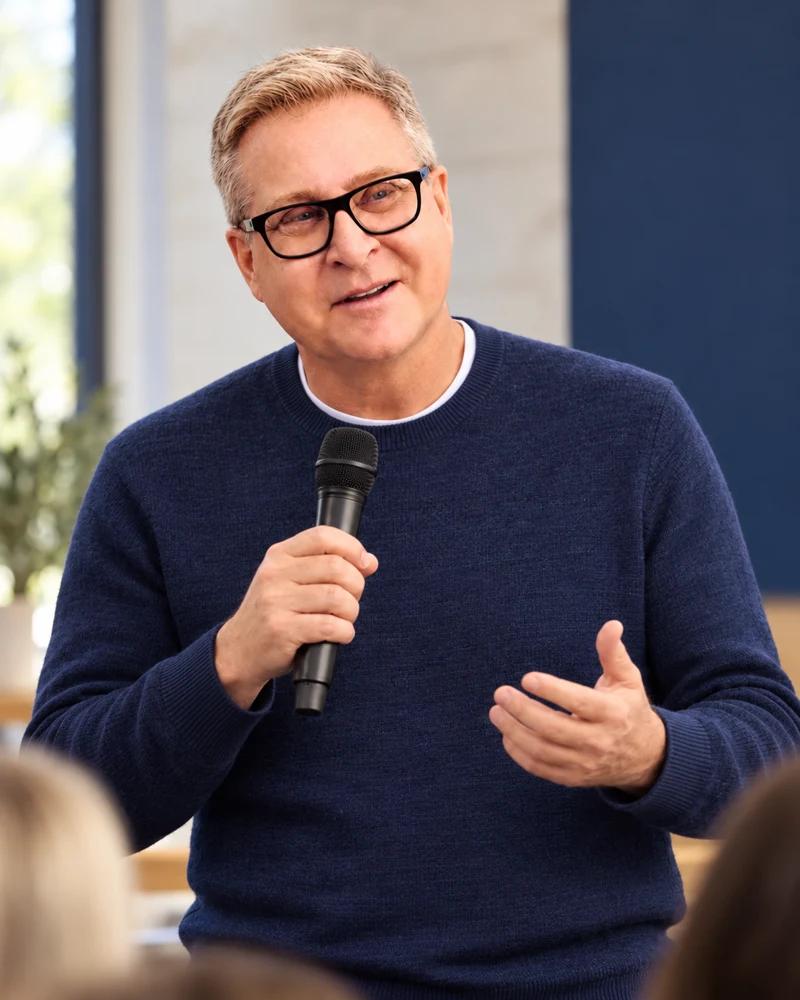
Built around the people in the room
Give members practical education and a place to explore the decisions they face alongside other business owners.
Bring owners, managers, and teams together to understand the possibilities and discuss what would help your business and your people.
Connect the conversation to your mission, the people you serve, and the capacity your staff, volunteers, and community partners need.
Two-hour, live online leadership workshops
We’ll show you real tools, practical processes, and examples you can put to work quickly. Together, we’ll explore how to turn the knowledge in your head into systems your people can use, then reinvest their capacity in the work that matters most.
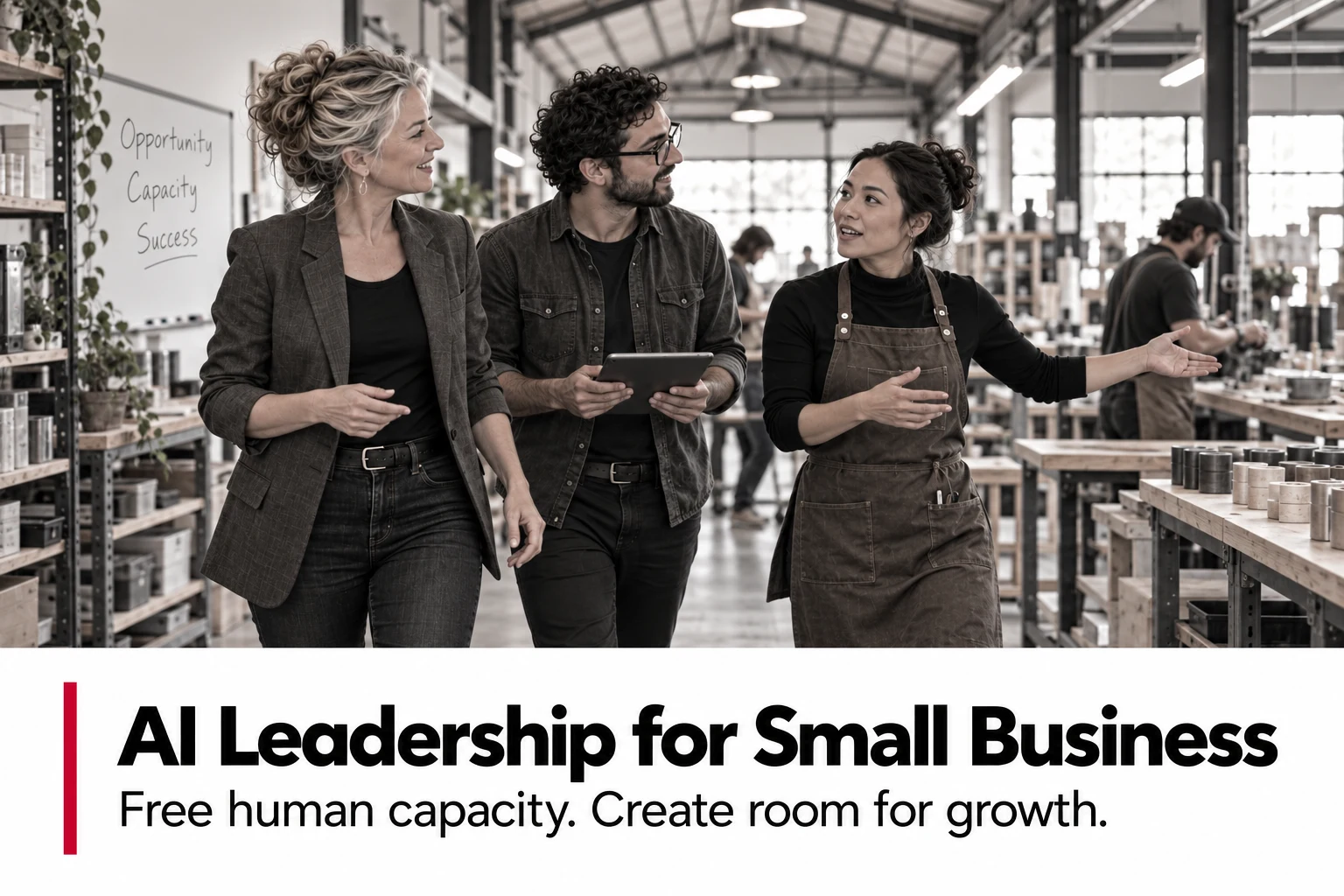
Create more room for profit, stronger customer relationships, and new possibilities.
For owners and leaders who want to grow without keeping every process and decision in their own heads.
What changes for you: You’ll have a clearer way to decide what to simplify, automate, support with AI, or keep human-led, and a practical application to begin testing.
See what you’ll leave with ↓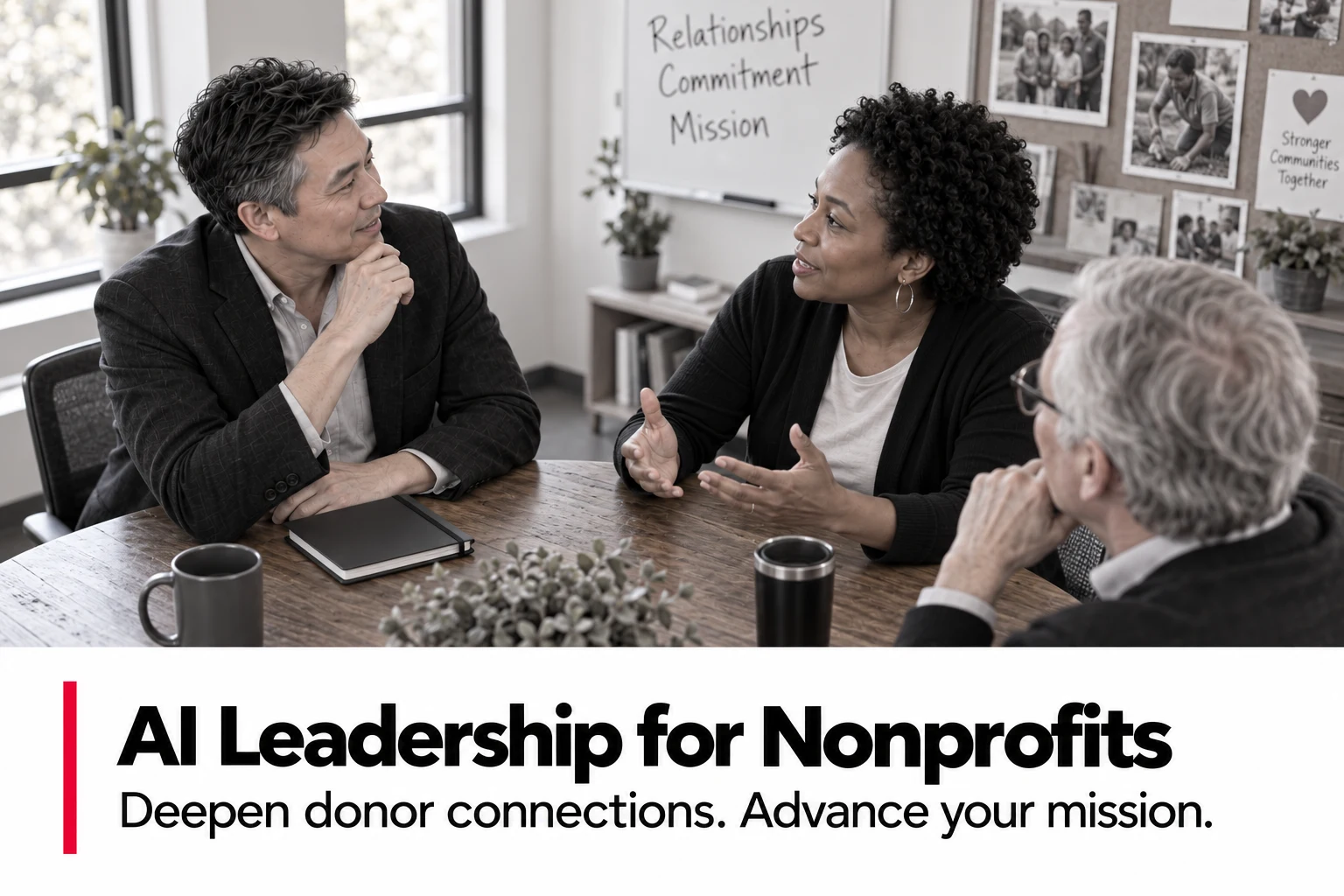
Give your people more capacity for relationships, commitment, and mission.
For nonprofit executives and team leaders balancing donor engagement, daily operations, and the people they serve.
What changes for you: You’ll leave better prepared to make purposeful technology decisions and give your team more room to advance the mission.
See what you’ll leave with ↓Practical tools to take back to your team
We’ll also make sense of bots, plugins, and digital personas through practical examples. No technical background is required.
From Trey’s own work
For a small placement company, Trey developed manuals, policies, culture materials, staff training, HR onboarding, workflows, and technology infrastructure.
His estimate: 2,000 hours of cumulative work product, produced in fewer than 400 working hours over three months. We’ll draw on those real processes to show how industry knowledge, AI, and careful review can work together.
AI, Business & People
Host one workshop, selected topics, or the full series. Each session stands on its own. The business sessions are designed for owners, managers, and teams in organizations with fewer than 150 employees; we’ll discuss the right fit for your audience.
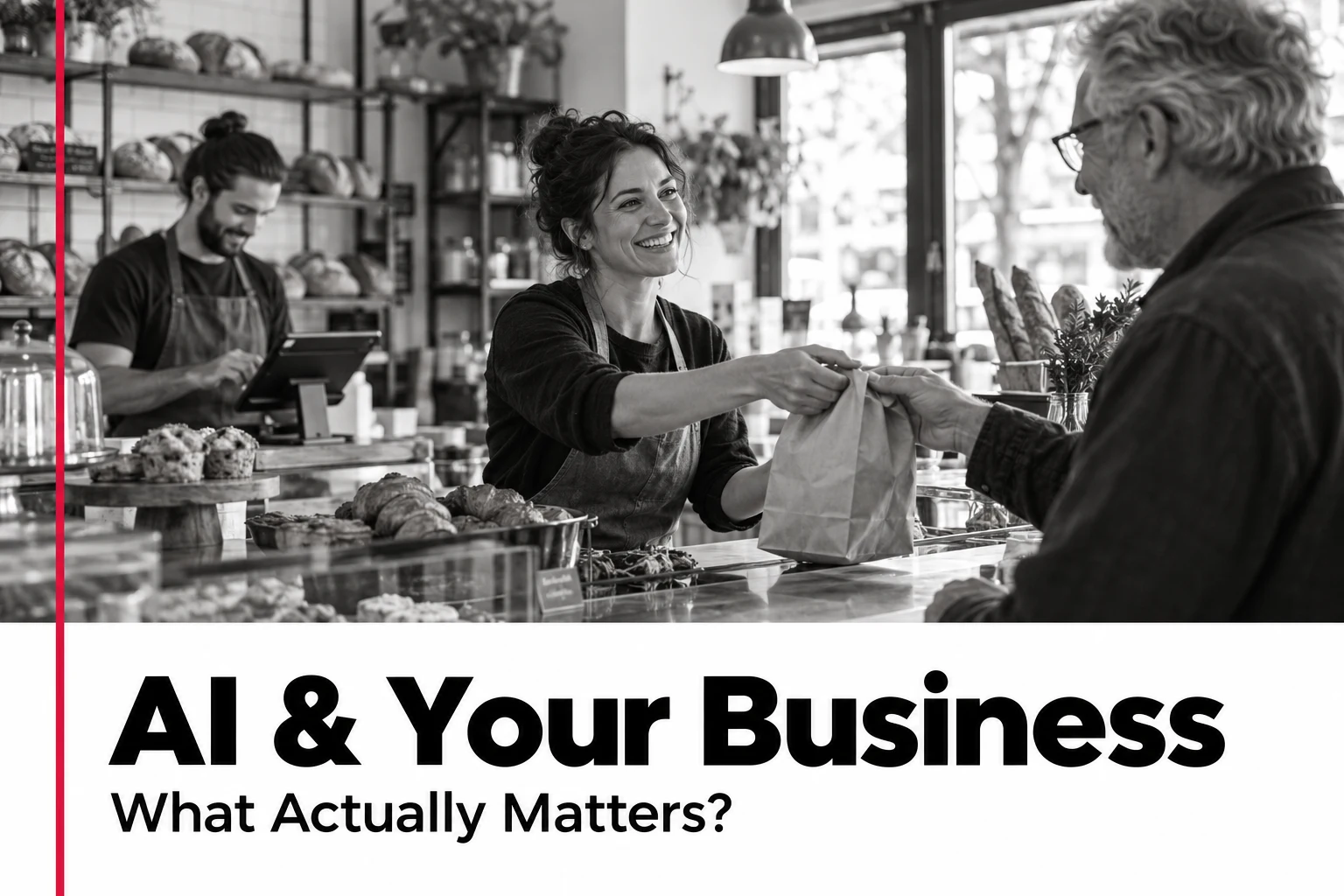
60 minutes
Understand the possibilities. Decide what fits.
Where could AI actually help a business like yours? We explore familiar work and help you distinguish useful possibilities from impressive promises.
You’ll have a clearer way to evaluate technology before spending time or money. Bring the questions back to your organization to focus the conversation on useful improvements and the people they should serve.

90 minutes recommended · 60-minute option
Less repeated effort. More room for people.
Bring your curiosity. Audience questions and selected demonstrations turn everyday observations into possibilities you can understand and discuss.
You’ll feel more confident asking for help and discussing ideas with technology providers. We’ll connect the possibilities to what recovered capacity could allow your people to do for customers, colleagues, and the community.
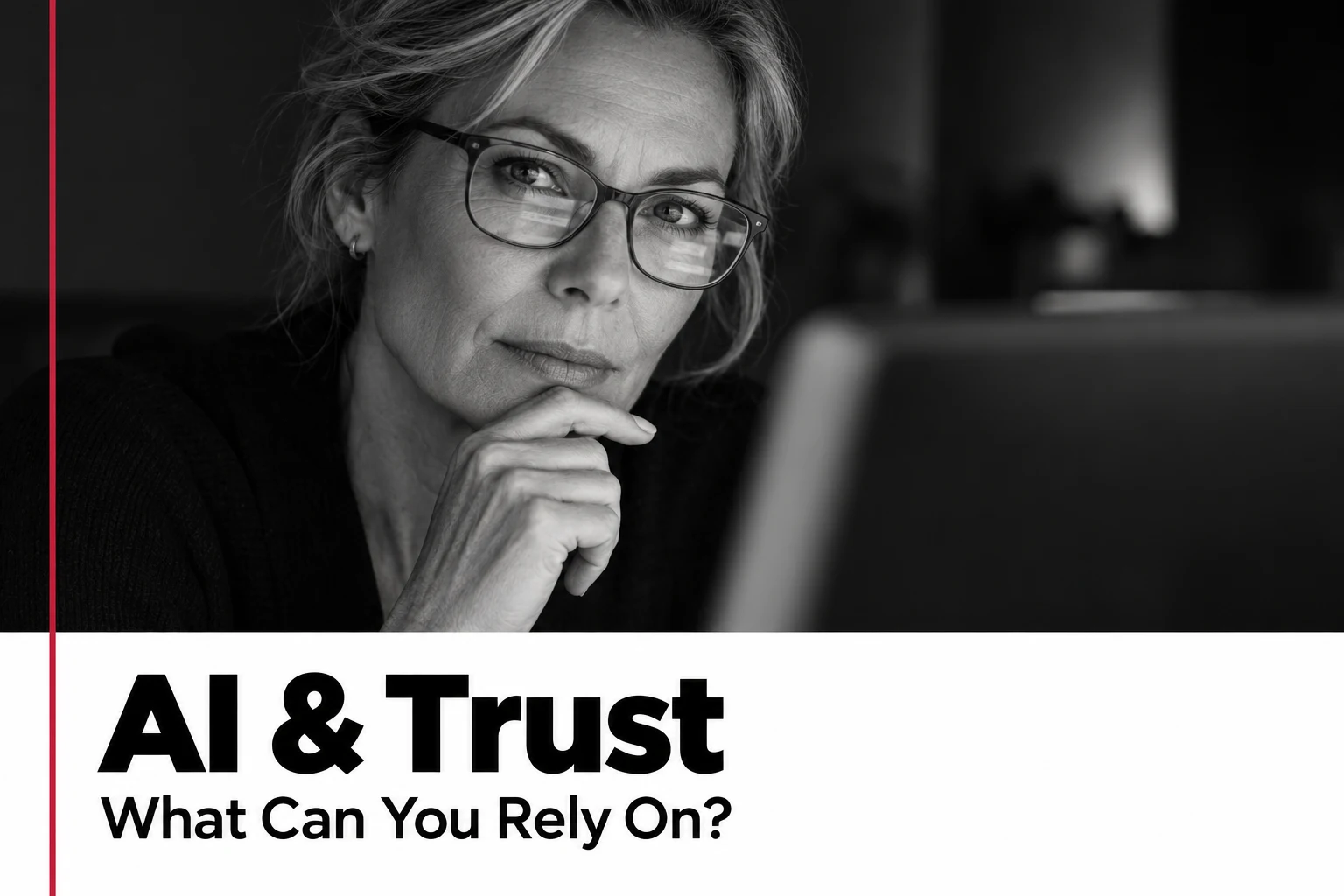
60 minutes
Better questions. Sound judgment. Earned trust.
A confident answer is not always a reliable one. We explore how to evaluate AI-assisted work and ask better questions of the people selling it.
You’ll leave with practical habits for checking results and a stronger set of questions for purchasing decisions. That gives your team a way to explore AI while protecting the relationships and credibility you have worked to build.
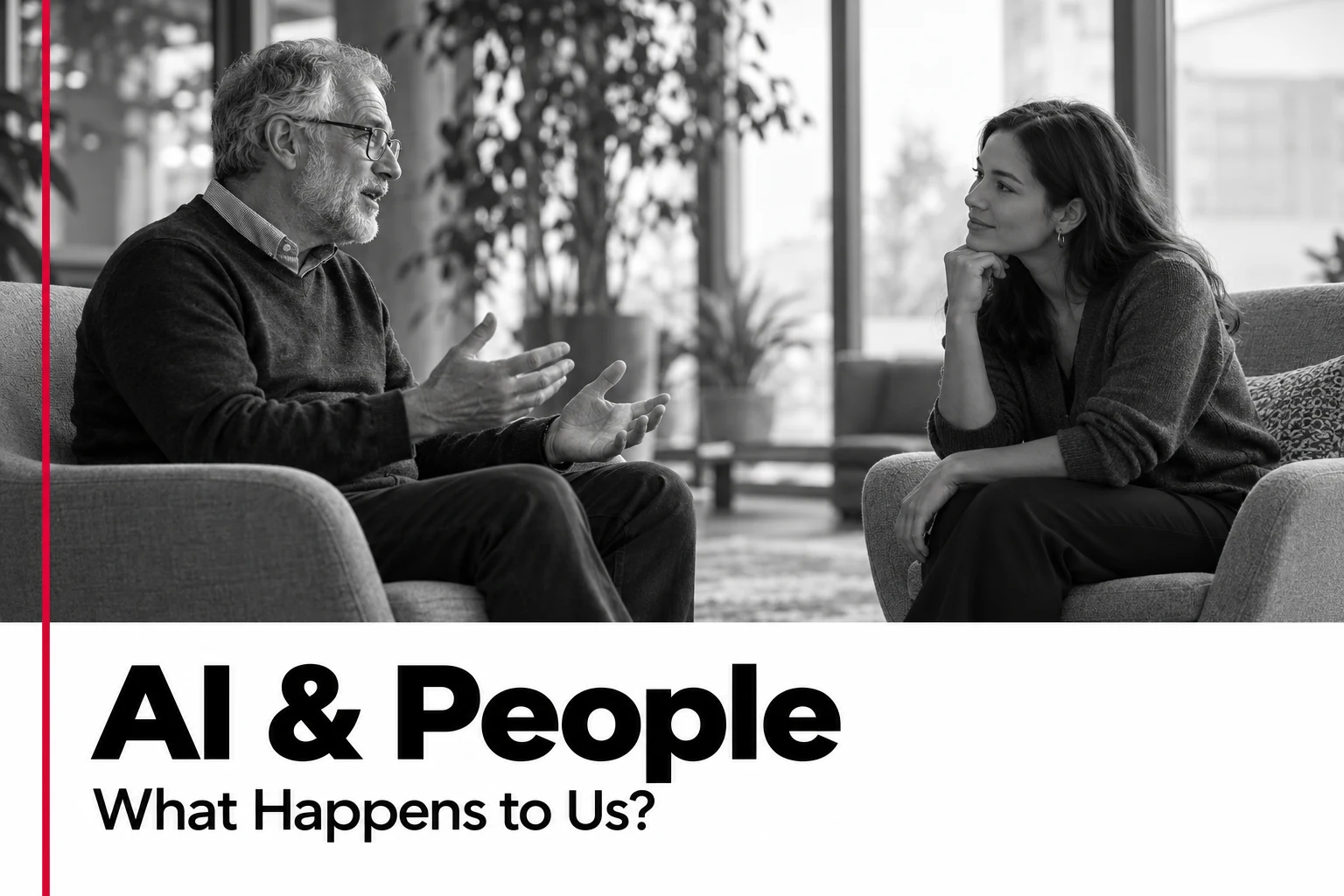
60 minutes
Changing work. Human value. Stronger relationships.
When work changes, questions about technology become questions about identity, confidence, and belonging. Let’s make room for those conversations.
You’ll have a more constructive way to begin the conversation with your team. We’ll help you see how employees’ knowledge can shape change and how recovered time could strengthen the human relationships that distinguish your organization.
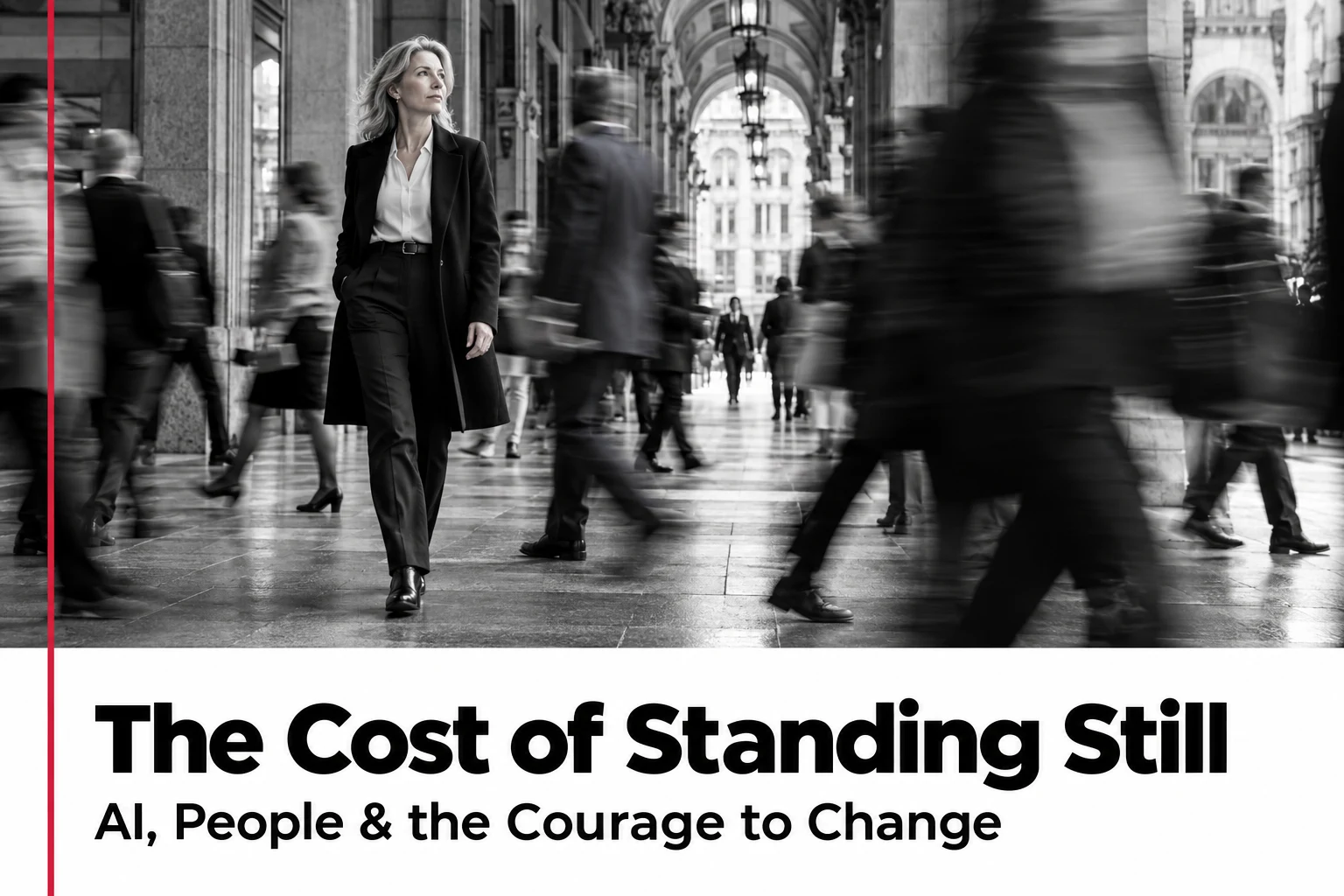
60 minutes
AI, People & the Courage to Change
When is caution helping your business, and when is it postponing a necessary decision? Trey’s signature story and Isaac’s operational perspective open a thoughtful conversation about moving forward.
You’ll leave with a framework for deciding what to preserve, investigate, test, or change. The goal is a thoughtful next step that respects what you have built and helps you respond to what is changing around you.
The room shapes the conversation
We use appreciative inquiry to explore what already works, what your people care about, and what they would like to make possible.
Trey connects the questions to business purpose and human experience. Isaac brings the operational and technical perspective. Together, we explore your questions through familiar examples, discussion, and selected demonstrations.
You leave with practical decision questions and a concise resource to continue the conversation with your team.
Meet the people leading the conversation
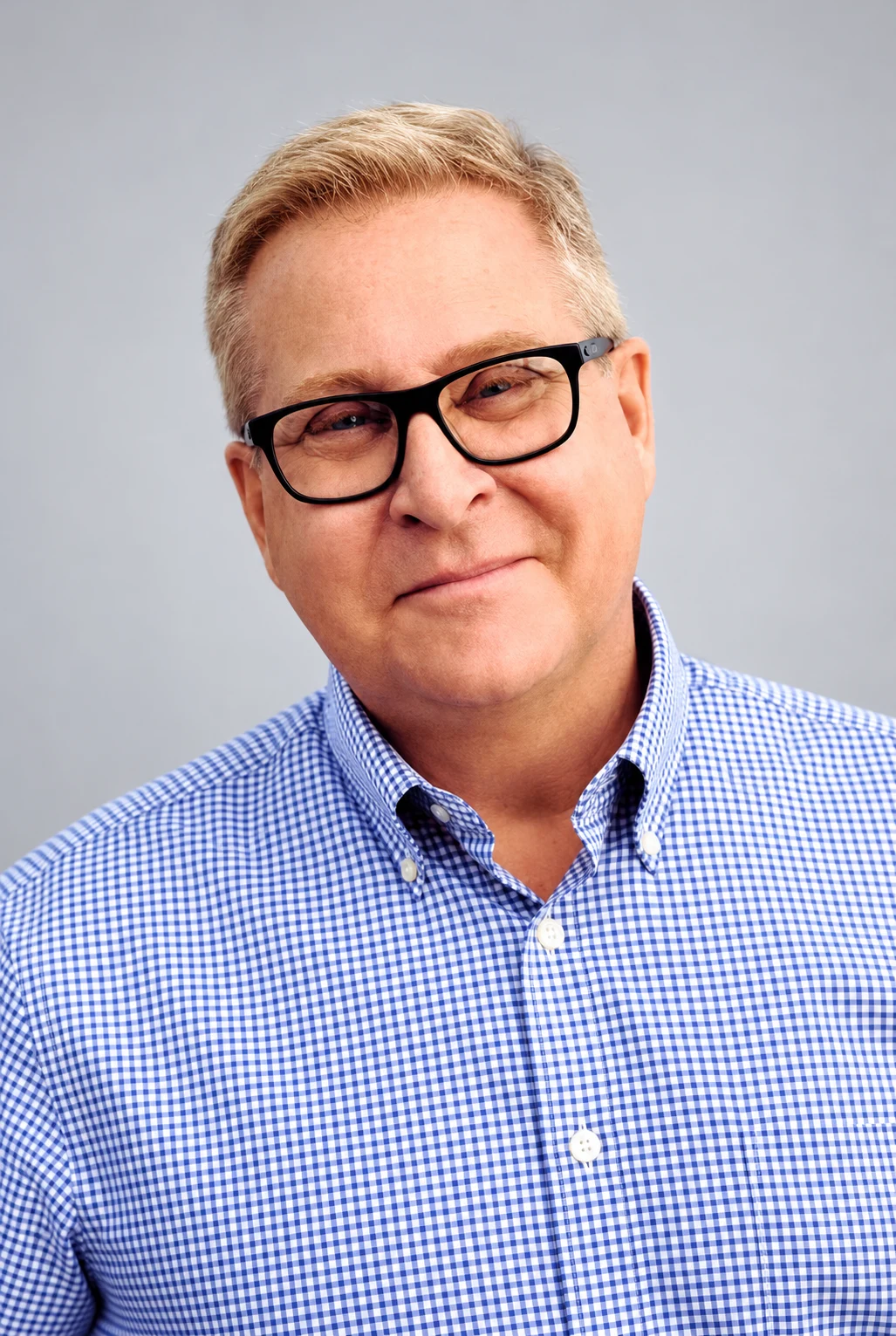
Partner / Strategy
Trey connects the human experience of change with practical leadership decisions. He holds a master’s degree in Clinical Psychology and brings experience across mental health, healthcare leadership, education, and consulting.
He has built businesses, led a multimillion-dollar healthcare company, and served as a national vice president in an international home care organization. His work helps people explore what they value, what change asks of them, and what they want to make possible.
Read Trey’s full biography ↗
Partner / Technology
Isaac brings 31 years of collections experience, spanning account acquisition through closure, alongside expertise in information management, AI, automation, and connected business processes.
Through Clear Sky Technologies and extensive SuiteDash work, he helps organizations understand how people, information, and systems fit together. In the room, he makes technical possibilities understandable through familiar work and practical examples.
Read Isaac’s full biography ↗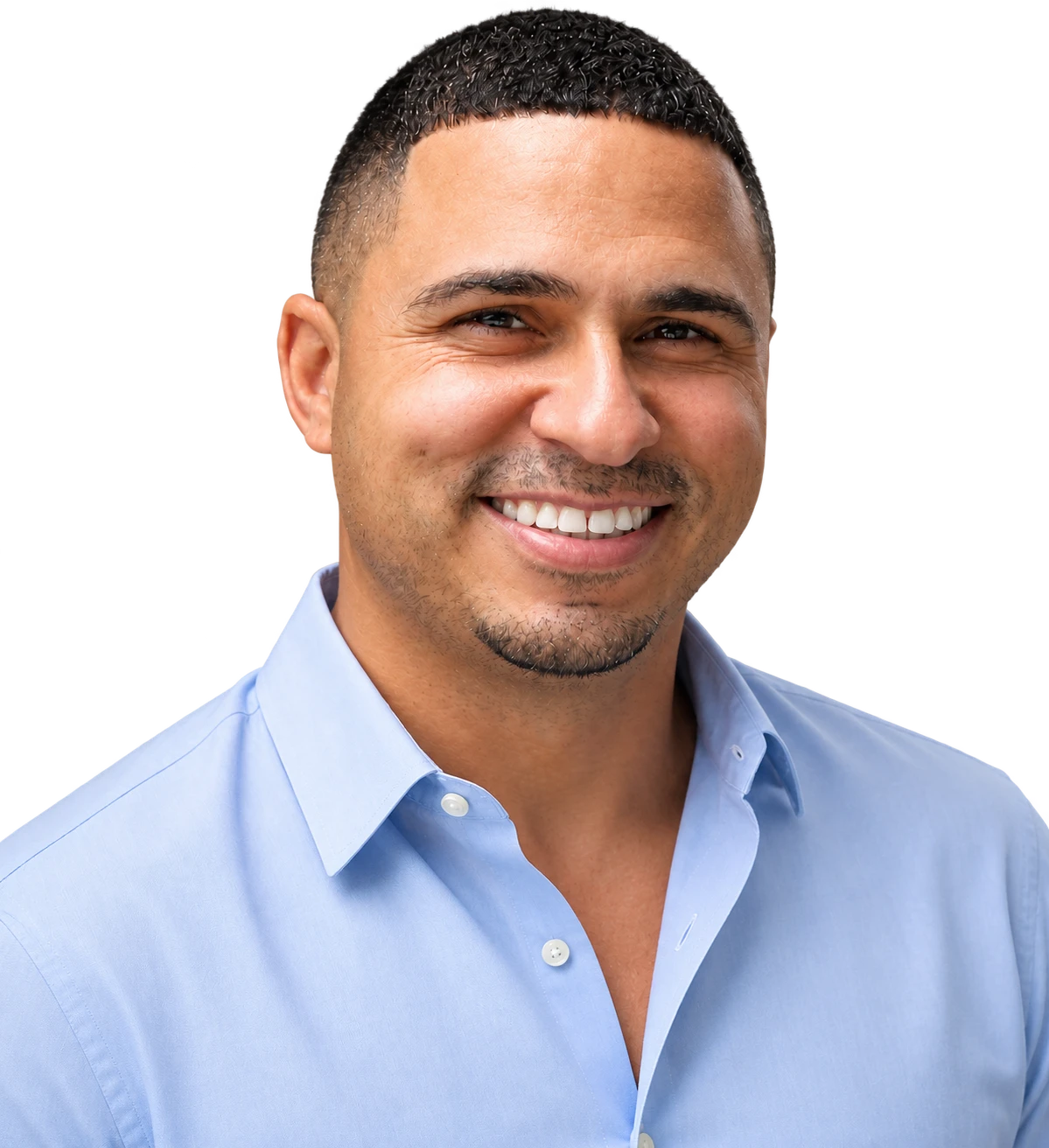
Partner / Relationships
Angel brings 28 years of experience in product and service sales and relationship development. He leads with curiosity and helps people feel known, seen, heard, and valued.
Explore the right session for your community. The event inquiry form includes space for your audience, goals, and preferred dates.
Read Angel’s full biography ↗A clear plan for your event
No AI account, technical background, homework, or prepared business problem is required. Curiosity, skepticism, and uncertainty are all welcome. Audience questions help shape the discussion.
Yes. Every workshop stands alone. Choose one conversation, selected topics, or all five. Most sessions run 60 minutes. AI Possibilities is recommended as a 90-minute session, with a 60-minute adaptation available.
We’ll discuss your mission, the people you serve, and the everyday work of staff and volunteers. Together, we can choose examples and questions that make the conversation relevant to your organization.
We agree on the setup during planning, including presentation display, sound, internet access for any selected demonstrations, seating, and accessibility. For online or hybrid sessions, we’ll confirm the platform and participation arrangements in advance.
The downloads are samples with placeholders. Your organization’s name, confirmed date and time, venue or online link, admission information, and registration link need to be added before distribution. Event details and promotional materials can be coordinated as part of planning.
For organizers and planning teams
Preview any PDF in a new tab, then download the pieces your team needs. Share the full packet for an overview. The sample flyers show the promotional approach for each workshop.
Sample flyers include event placeholders. Confirm and complete your event details before sharing them with attendees.
It begins with a curious conversation
Use the form to tell us about your audience, what you hope they’ll take away, and when you’d like to bring everyone together. We’ll help you choose a workshop and shape the event.
Sessions are available in person or online. Hybrid arrangements, accessibility needs, technical setup, and event details are agreed during planning.